

Earlier known by the codename ‘HE1i’, Ioniq P will likely compete with the Kia Syros EV and Tata Nexon.ev
It is no news that Hyundai plans to launch a small electric SUV codenamed ‘HE1i’ in India in Q1 2027. The company has been testing this model in South Korea and India from nearly a year now, and ahead of the planned unveil early next year, the upcoming electric SUV likely to be named Ioniq P.
Hyundai announced the new model’s name during its Q3 2026 earnings conference call on Thursday. The company mentioned the Ioniq P along with the Bayon as its new and upcoming launches in India. Local reports and test mule sightings have already revealed quite a lot of details over the past few months.
The Hyundai Ioniq P will be a small SUV designed keeping in mind Indian urban conditions and family needs. Spy shots have revealed that it will have a boxy and high-riding exterior aimed at giving it a tough and rugged look, along with the ability to tackle poor road conditions. Features like raised roof rails, steep A-pillars, large and squarish windows, and high ground clearance will help it get this near-authentic SUV character.
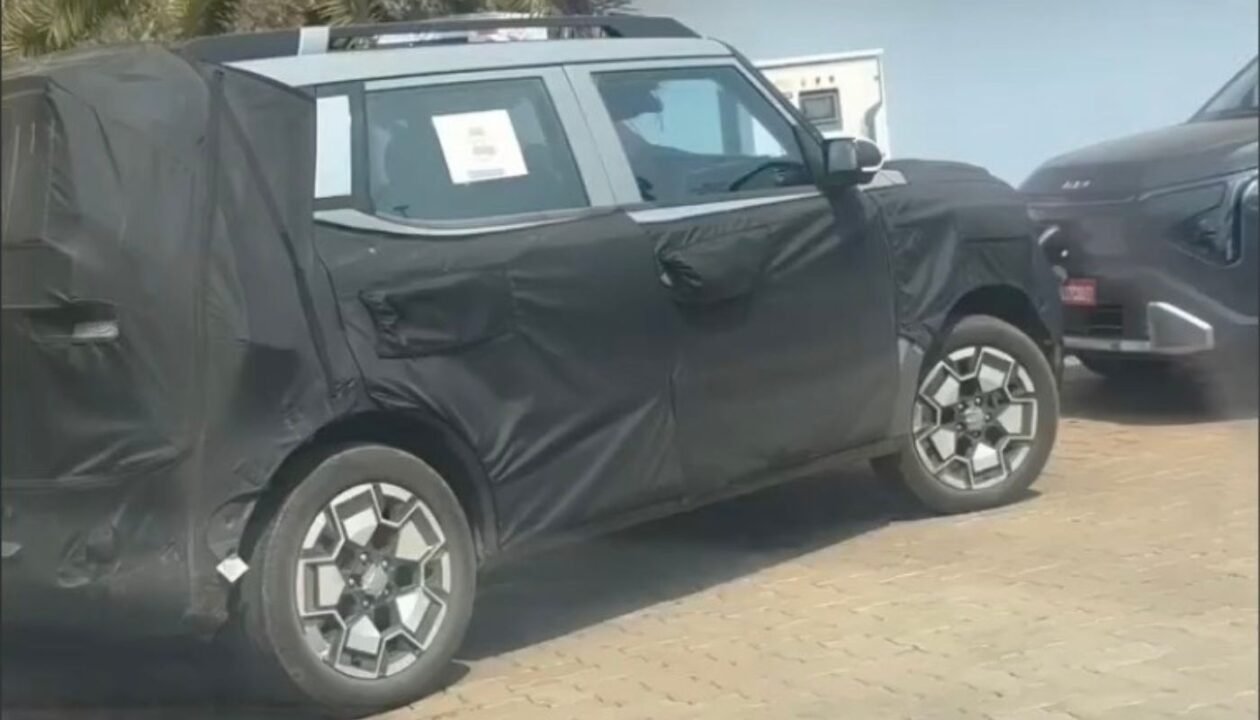
At the same time, the Hyundai Ioniq P will also have a few futuristic and modern design details, including split headlamps and tail lamps, both with a pixel-like pattern that has been the lighting theme for the brand’s new EVs since the Ioniq 5. Inside, the Ioniq P will debut a new design theme that is cleaner and more digital. This will be the brand’s first model in India featuring a 9.9-inch digital instrument cluster and a 12.9 touchscreen infotainment system.
While Hyundai will adopt a large central touchscreen, it is likely to offer physical controls for climate, multimedia, and other functions. The infotainment system and instrument cluster will incorporate a new software based on the Android Automotive Operating System. Hyundai has confirmed it will offer Level 2+ advanced driver assistance systems as well.
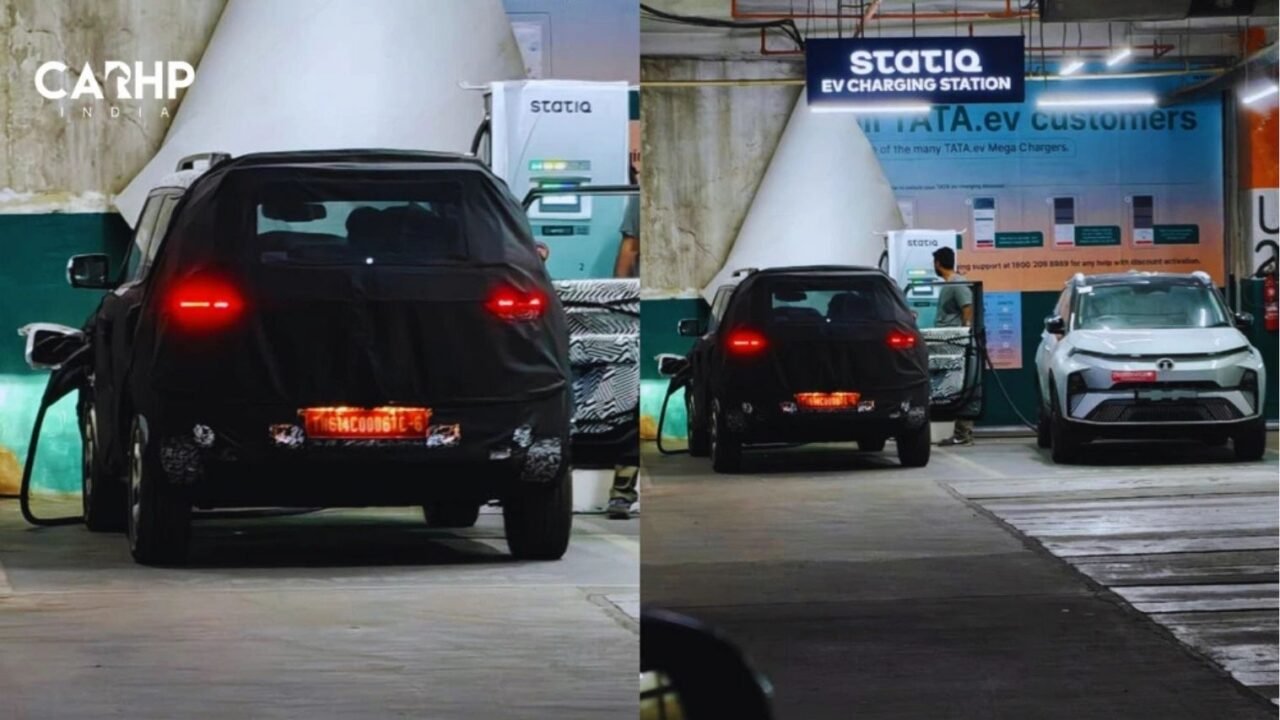
The Hyundai Ioniq P will likely be based on the E-GMP (K) platform that underpins the Inster EV internationally. It should be offered with two LFP battery pack options, and the larger unit should deliver a range of around 500 kilometres. Both will feature cells sourced from Chinese manufacturer Svolt.