

Hyundai’s new Bayon will sit between the Venue and Creta, giving buyers another alternative to the Maruti Victoris, Grand Vitara and Toyota Hyryder
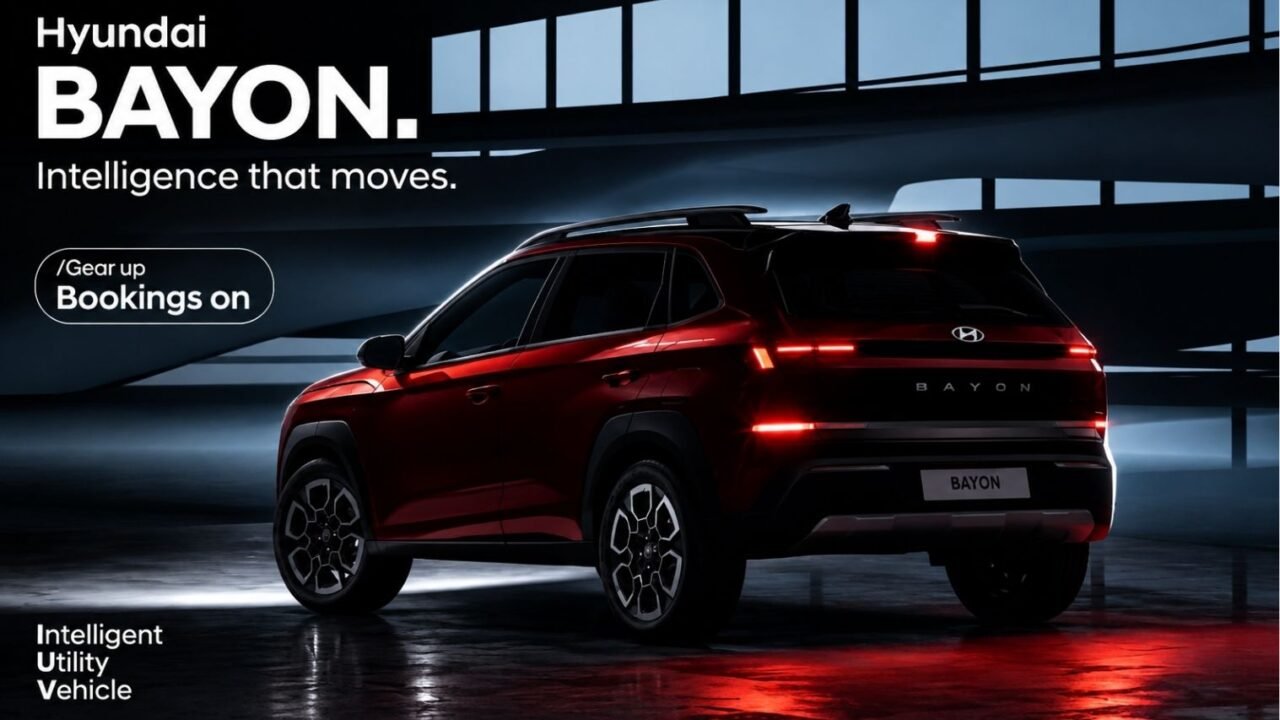
Hyundai is preparing to add another SUV to its Indian line-up, and the Bayon could end up creating an interesting new battle with the Maruti Suzuki Victoris. Hyundai has already opened bookings for the Bayon, confirming that the India-spec SUV will be based on the Global K Enhanced platform and will be offered with a petrol engine and manual or IVT gearbox options.
Unlike the global Bayon, the India-spec model has been developed with a more conventional SUV stance. It will sit between the Venue and Creta in Hyundai’s line-up, effectively giving the company two SUVs in the midsize space. That is a strategy Maruti Suzuki already follows with the Victoris and Grand Vitara.
The Victoris is perhaps the most interesting comparison because both SUVs are trying to occupy a space between the popular sub-4m SUVs and established midsize SUVs such as the Creta and Seltos. The Maruti measures 4,360 mm in length, with a 2,600 mm wheelbase. The Bayon is expected to be around 4.18 metres long, making it noticeably shorter than the Victoris.
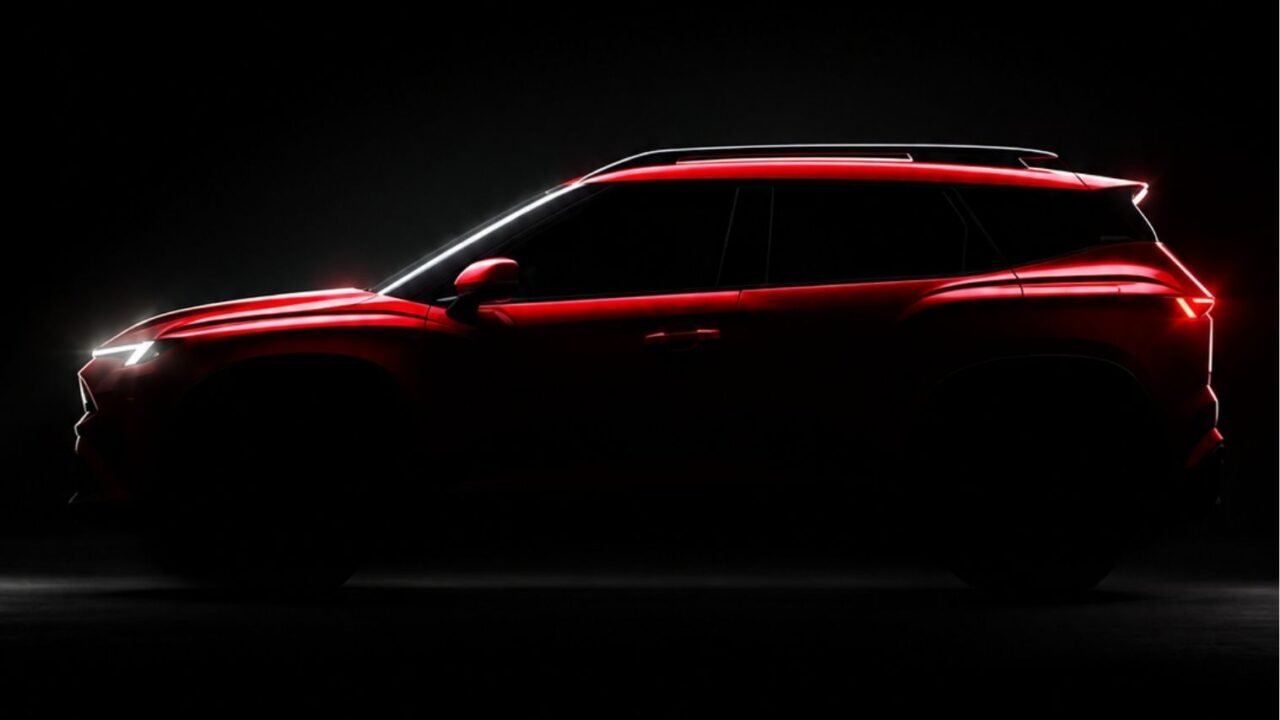
But Hyundai appears to be going after buyers who don’t necessarily need the extra size and instead want a compact SUV with a strong feature list and lower running costs. This is where the Bayon could get interesting. Hyundai is expected to offer the 1.5-litre naturally aspirated petrol engine with a manual and CVT, along with a factory-fitted CNG option. If confirmed, the CNG Bayon would become Hyundai’s first SUV above four metres with a factory CNG powertrain.
The Victoris already has a factory CNG option, and so do the Grand Vitara and Toyota Urban Cruiser Hyryder. That gives all three an advantage for buyers prioritising fuel costs. Hyundai’s decision to potentially offer CNG in the Bayon therefore looks deliberate.

It allows the company to target a part of the market that the Creta doesn’t currently address, while keeping the Creta positioned as the more premium SUV. The Bayon is expected to start at around Rs 9 lakh and go up to approximately Rs 14 lakh, although final pricing is still awaited.
What About The Other Rivals?
The Grand Vitara and Toyota Hyryder are obvious alternatives, particularly for buyers interested in CNG or hybrid powertrains. The Victoris has an additional advantage with its strong-hybrid option, which offers an official fuel-efficiency figure of 28.65 kmpl.
The Honda Elevate and Kia Seltos will also remain relevant, although they are closer to the traditional midsize SUV formula.